

Manufacturing Plant Pest Control Services: Ensuring a Safe and Efficient Operation
Maintaining a pest-free environment in manufacturing plants is crucial for ensuring product quality and safety. Our Commercial pest extermination services are specifically designed to address the unique challenges faced by these facilities, providing tailored solutions that effectively prevent and manage infestations. By implementing comprehensive pest control measures, we safeguard your operations, minimize risks, and comply with industry regulations.
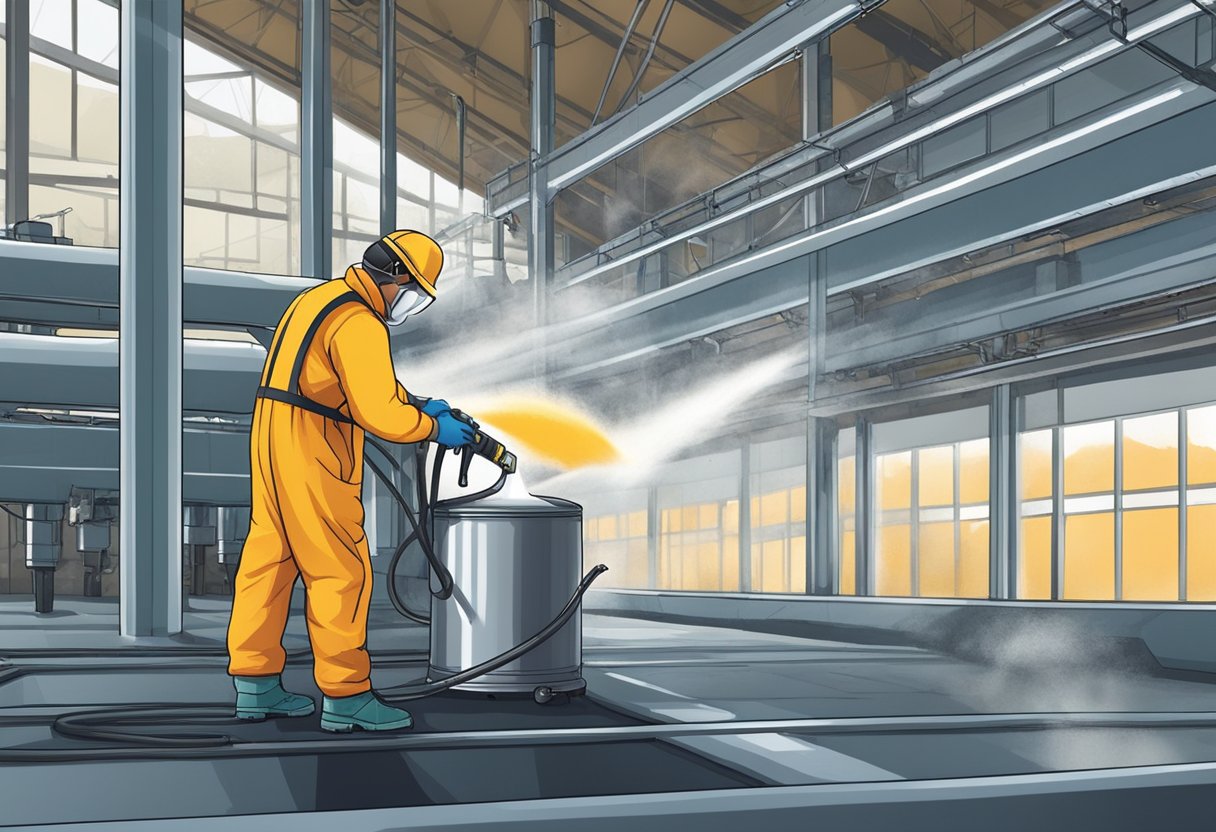
We understand that every manufacturing plant has distinct needs, which is why our approach includes thorough inspections and customized treatment plans. These proactive steps not only eliminate existing pest problems but also prevent future occurrences, ensuring a clean and secure environment for your workforce and products.
Our team of experts uses state-of-the-art technology and environmentally conscious methods that align with industry standards. This commitment to excellence ensures that our pest control services are not only effective but also sustainable, promoting long-term pest management and protection for your manufacturing plant.
Understanding Pest Threats in Manufacturing Plants
In manufacturing plants, pest infestations can pose serious risks to health, safety, and compliance standards. Knowing the types of pests and their potential impacts helps in implementing effective control measures.
Types of Pests and Infestation Risks
Manufacturing plants are susceptible to various pests, including rodents (rats, mice), insects (cockroaches, ants, flies, termites, bed bugs), birds, and spiders. Each type presents its own unique risks and challenges.
Rodents like rats and mice can cause significant damage by chewing on materials, wiring, and packaging. They also spread diseases through their droppings and urine.
Insects such as cockroaches, ants, and flies are often attracted to food sources and can rapidly multiply. Termites may weaken wooden structures, while bed bugs and spiders can cause additional issues in employee areas.
Birds might nest in high places, leading to droppings that can contaminate products and machinery. Understanding these risks allows us to take targeted actions to prevent infestations.
Health Hazards and Contamination Concerns
Pest infestations can lead to serious health hazards. Rodents and insects carry bacteria and viruses that can contaminate food products and surfaces, increasing the risk of foodborne illnesses.
Cockroaches are known to spread pathogens like Salmonella and E. coli. Their presence can severely impact worker health, leading to allergic reactions and respiratory issues.
Flies can transfer contaminants from waste areas to production lines, increasing the risk of disease transmission. Bird droppings can harbor fungal diseases, posing additional health risks.
Effective pest control measures are essential to protect both products and personnel from these health risks.
Impact on Quality and Safety Compliance
Pests not only affect health but also compromise product quality and safety compliance. Infestations in manufacturing plants can lead to contaminated products, resulting in costly recalls and loss of consumer trust.
Quality standards and regulatory bodies, such as the FDA, impose strict guidelines on pest control. Failure to comply can result in penalties and operational shutdowns.
Proactive pest management helps ensure that we meet these standards. Regular inspections, proper sanitation, and timely interventions are key to maintaining a safe and compliant manufacturing environment.
By addressing these pest threats effectively, we create a safer and more reliable production process. Click here to read more about industrial waste management.
Strategies for Pest Management in Industrial Settings
Effectively managing pests in industrial environments requires a combination of proactive measures and integrated approaches. By focusing on prevention and a structured pest management program, we can maintain a sustainable and pest-free facility.
Preventative Measures for Long-Term Control
Preventative measures are crucial for maintaining pest-free industrial environments. We must constantly assess and monitor the facility to identify potential entry points for pests. Implementing strict hygiene and sanitation practices can significantly reduce the risk of infestation.
Regular cleaning schedules, waste management, and proper storage of materials are essential. Installing physical barriers like screens, door sweeps, and sealing cracks can further prevent pests from entering. Worker education about keeping workspaces clean and identifying early signs of pest activity is also vital.
Integrated Pest Management (IPM)
Integrated Pest Management (IPM) provides a sustainable and effective approach to pest control. We start by assessing the specific needs of our facility and monitoring pest activity. This helps in making informed decisions about when and how to implement control measures.
IPM combines various strategies, such as biological controls, mechanical controls, and, when necessary, chemical treatments. Biological controls may involve using natural predators to keep pest populations in check. Mechanical controls include traps and exclusion techniques.
By integrating multiple methods, we achieve comprehensive pest management while minimizing the environmental impact and promoting long-term sustainability.
The Role of Professional Pest Control Services

Professional pest control services play a crucial role in maintaining the integrity and quality of manufacturing facilities. They ensure that the working environment remains pest-free through tailored solutions and regular inspections and treatments.
Tailored Solutions for Manufacturing Facilities
Each manufacturing facility has unique needs that require customized pest control solutions. We work closely with facility managers to develop strategies specific to their operations.
For example, food manufacturing plants might face challenges with rodents or insects. By understanding these specific vulnerabilities, we can deploy targeted treatments that address the root of the problem.
Our tailored solutions include a variety of methods and tools, ranging from traps to environmentally safe chemicals. This ensures that we can effectively handle any pest issues without compromising production processes or employee safety.
Importance of Regular Inspections and Treatments
Regular inspections and treatments are vital for preventing pest infestations in manufacturing plants. Our professional pest control team conducts thorough inspections to detect early signs of infestations.
This proactive approach allows us to implement preventative measures before pests can cause significant damage. Scheduling consistent treatments helps maintain a pest-free environment, reducing the risk of contamination or production delays.
Routine inspections also provide valuable insights into potential entry points or breeding areas. Addressing these issues promptly ensures that pests do not have the opportunity to establish a presence in the facility.
Ensuring a Pest-Free Environment in Your Facility
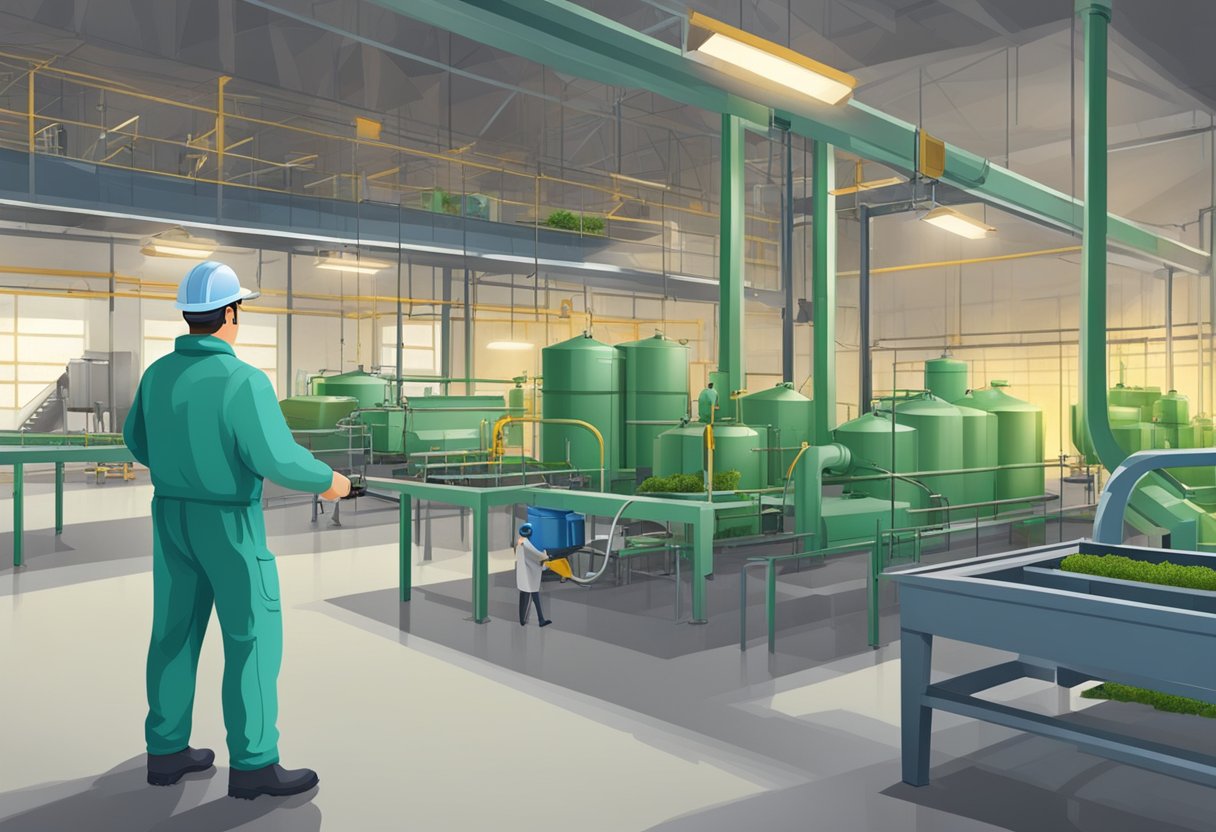
Safeguarding your manufacturing facility from pests is crucial for maintaining productivity and meeting regulatory requirements. Implementing a comprehensive pest control program and ensuring effective communication and training among staff are essential steps.
Implementing a Comprehensive Pest Control Program
We start by tailoring a pest control program to the specific needs of our facility. Regular inspections are critical for early detection of pest activity. We focus on key areas such as storage rooms, production lines, and entry points to prevent infestations.
Chemical treatments and traps provide targeted control, while integrated pest management (IPM) techniques help minimize chemical use. Monitoring and documentation ensure compliance with regulatory standards and track the effectiveness of our efforts.
Staff Training and Effective Communication
Training our staff to identify and report pest activity is vital. Regular workshops and refresher courses ensure everyone is aware of signs and preventive measures. We emphasize the importance of maintaining clean workspaces and proper waste disposal.
Effective communication channels between staff and pest control teams ensure quick response to any issues. Reporting procedures and feedback mechanisms help us address concerns promptly and maintain a pest-free environment. This collaboration safeguards our productivity and compliance.
Regulations and Industry Standards
In the field of manufacturing plant pest control services, adhering to regulatory requirements and maintaining environmental responsibility are paramount. These standards ensure that all operations are safe, effective, and sustainable.
Staying Ahead of Regulatory Requirements
We must monitor and comply with numerous regulatory requirements specific to factory pest control. These regulations are designed to ensure safety and effectiveness in pest management practices. Compliance with these standards prevents regulatory violations that can result in fines or shutdowns.
Our team is trained to keep up-to-date with changing laws and guidelines set forth by national and local agencies. Monitoring these changes allows us to adjust our practices promptly. Adhering to standards from organizations like the Environmental Protection Agency (EPA) and Occupational Safety and Health Administration (OSHA) is crucial.
Regular audits and inspections are performed to ensure adherence to these requirements. Our protocol includes detailed documentation and immediate corrective actions whenever necessary. This vigilant approach assures our clients of our commitment to compliance.
Ensuring Environmental Responsibility
Environmental responsibility involves implementing sustainable practices in our pest control operations. This ensures that our methods and products minimize harm to the environment. We choose eco-friendly solutions wherever possible and aim to reduce chemical use without compromising effectiveness.
Integrated Pest Management (IPM) strategies are a cornerstone of our environmental approach. IPM emphasizes prevention, monitoring, and minimal use of pesticides. By understanding pest behavior and lifecycle, we can implement targeted interventions that are both effective and environmentally safe.
Our partnership with suppliers focuses on sourcing sustainable and less hazardous materials. This collaboration enhances our capability to maintain lower environmental impact. Furthermore, educating our clients about environmental health ensures they also take part in maintaining a sustainable ecosystem.