

Industrial Waste Management Area Pest Control: Effective Strategies and Best Practices
Managing pests in an industrial waste management area is not just a necessity but a pivotal aspect of maintaining a safe and efficient operation. Effective commercial pest management in sydney ensures the prevention of contamination and structural damage, safeguarding both employees and the environment. Pests such as rodents, insects, and birds can thrive in waste-rich environments, posing various health risks and operational challenges.
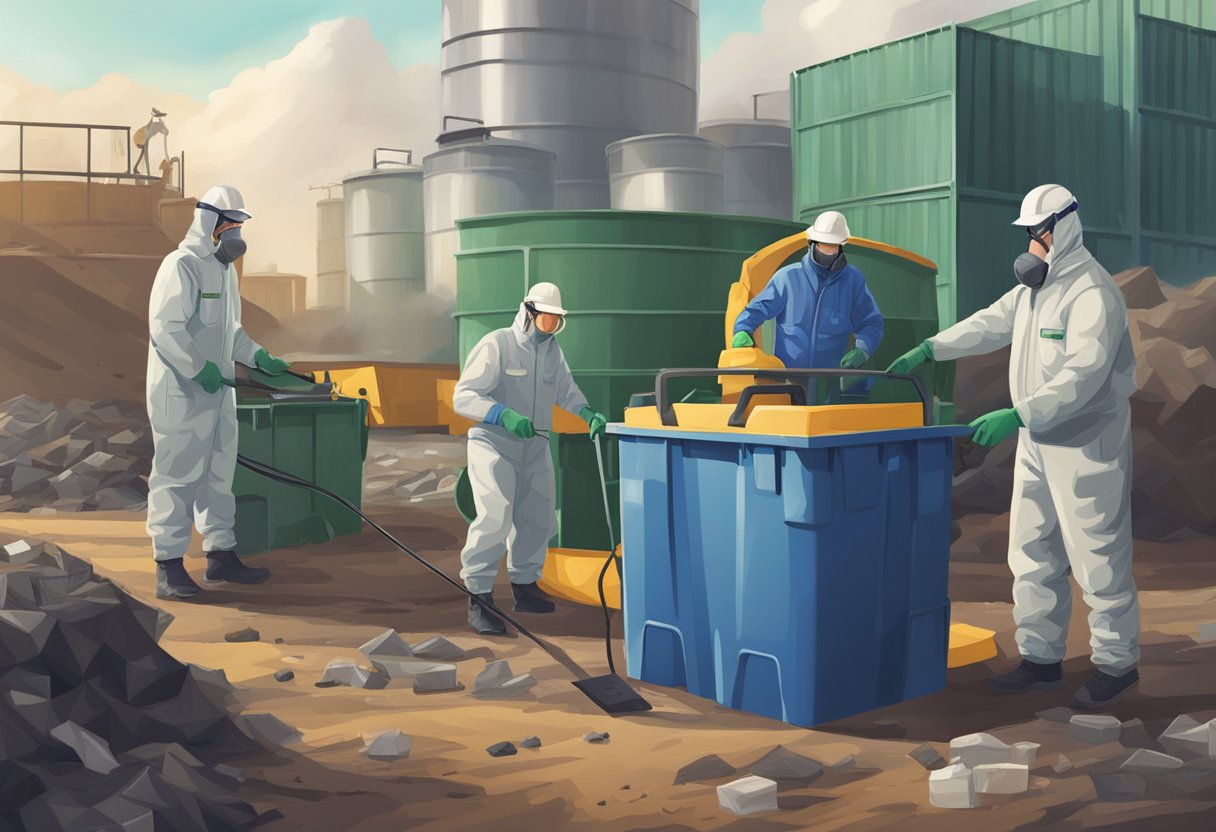
Our primary focus is on implementing thorough and proactive pest control measures. Regular monitoring, sanitation, and targeted interventions form the cornerstone of our strategy. These actions help us mitigate potential infestations before they escalate into significant issues.
By prioritizing pest control in industrial waste management areas, we contribute to cleaner and more sustainable waste processing operations. Proper pest management isn’t just about addressing immediate problems; it’s about building a resilient and long-term defense against potential future threats.
Understanding Pest Infestations in Industrial Areas
Industrial areas frequently attract a wide variety of pests due to their unique environment. Key factors include the availability of food, water sources, and shelter, which all contribute to the significant presence of pests such as rodents, insects, and birds.
Types of Common Pests
Pests commonly found in industrial areas include rodents (rats and mice), insects (ants, cockroaches, termites), spiders, and birds. Each of these pests poses unique challenges. Rodents can chew through wires, causing serious electrical hazards. Insects like cockroaches and ants can contaminate food sources, while termites can cause structural damage. Birds, such as pigeons, can spread diseases and create unsightly droppings.
Health Risks and Property Damage
Health risks posed by pests are significant. Rodents and cockroaches can spread diseases like Salmonella and Hantavirus. Bird droppings can carry diseases such as Histoplasmosis. Property damage is another issue; termites can weaken structural components, and rodents can gnaw through essential infrastructure. These issues not only compromise safety but can also lead to expensive repairs.
Contributing Factors to Infestations
Several factors contribute to pest infestations in industrial areas. Poor waste management provides food sources, while standing water can attract rodents and insects. Inadequate building maintenance, such as sealing gaps and cracks, allows pests to enter buildings. High humidity levels can also create favorable conditions for pests like termites and cockroaches.
Regulatory Requirements and Compliance
In the realm of industrial waste management area pest control, strict guidelines ensure safety and sustainability. We must navigate a complex landscape of safety standards and environmental policies.
Safety Standards in Pest Control
We must adhere to stringent safety standards in pest control to ensure both worker and environmental protection. Regulatory bodies in Australia, such as Safe Work Australia, outline protocols for the safe use of pesticides and equipment. Compliance involves regular safety audits and thorough training programs for our staff, focusing on the handling and application of pest control substances.
Documentation plays a critical role in demonstrating compliance. We are required to maintain detailed records, including safety data sheets (SDS), application logs, and incident reports. Additionally, the proper storage and disposal of pesticides are mandated to prevent contamination and accidental exposure.
Environmental Responsibility
Environmental responsibility entails complying with regulations that minimize the impact of our pest control activities on the ecosystem. This includes observing guidelines set by the Environmental Protection Authority (EPA) in Australia, which dictate the use of eco-friendly pesticides and methods.
We prioritize using integrated pest management (IPM) practices that focus on sustainable solutions. Regular monitoring and reporting are required to track the efficacy of pest control measures while mitigating adverse effects on non-target species and habitats.
By adhering to these environmental guidelines, we help ensure long-term ecological balance and maintain our commitment to quality and sustainability in industrial waste management. Click here to read more about commercial havac system pest prevention.
Commercial Pest Control Services
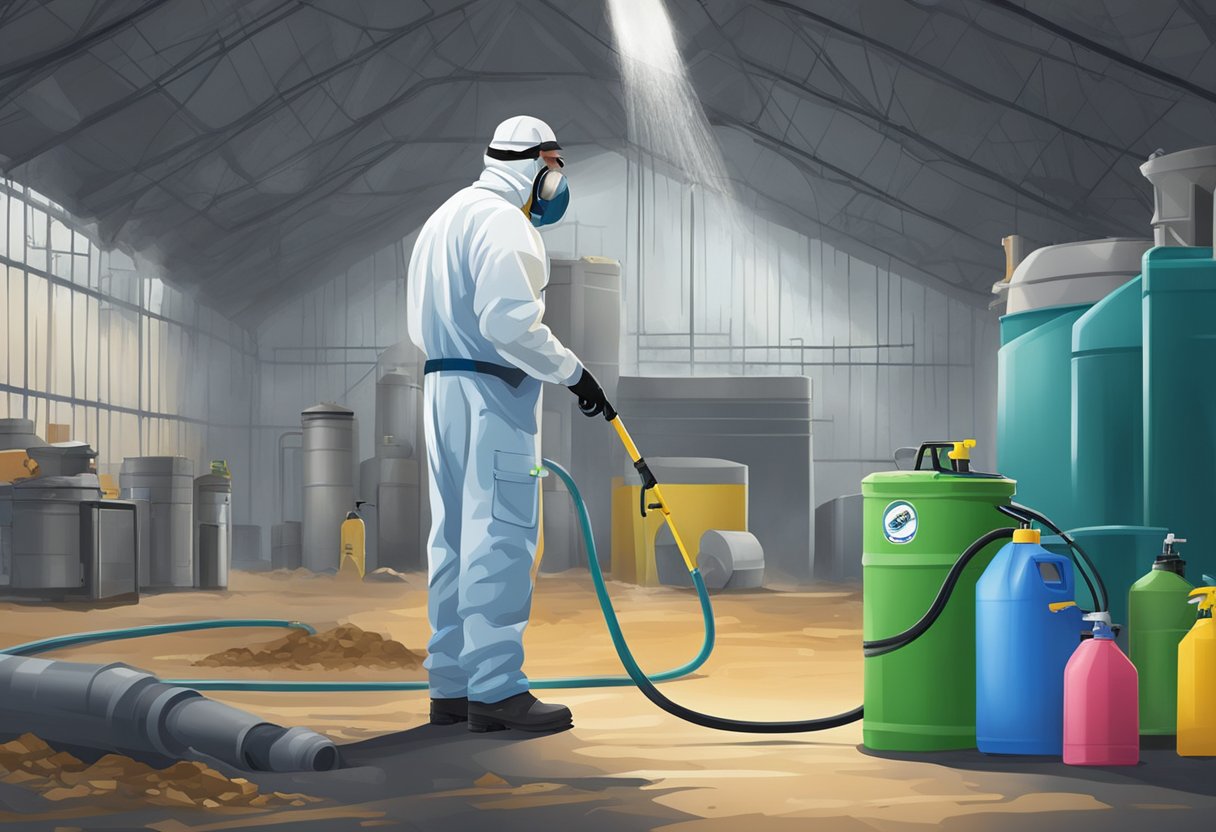
Effective pest control in industrial zones requires the right professional services and regular inspections to ensure safe and pest-free environments.
Choosing the Right Professional Provider
Selecting the appropriate professional provider is crucial for effective pest control solutions. It is important to choose a company that is licensed, insured, and has a track record of success in commercial pest control. The provider should offer tailored plans based on the specific needs of the industrial area.
Providers with highly trained personnel can ensure that pest control measures are implemented correctly. Look for providers who employ integrated pest management (IPM) approaches that combine various strategies to control pests sustainably. This includes less reliance on chemicals and more focus on prevention and monitoring.
Regular Inspections and Integrated Management
Regular pest inspections are essential to maintain control throughout the year. Frequent pest inspections can help detect problems early and prevent infestations. Providers should conduct thorough inspections to identify any initial signs of pest activity and potential entry points.
Integrated Management involves using multiple strategies, such as sanitation, structural repairs, and biological controls, to reduce pest populations. Consistent communication between the pest control provider and the business ensures that any pest issues are promptly addressed. Regular maintenance, combined with professional oversight, creates a continuous barrier against pests.
Techniques and Strategies for Pest Management
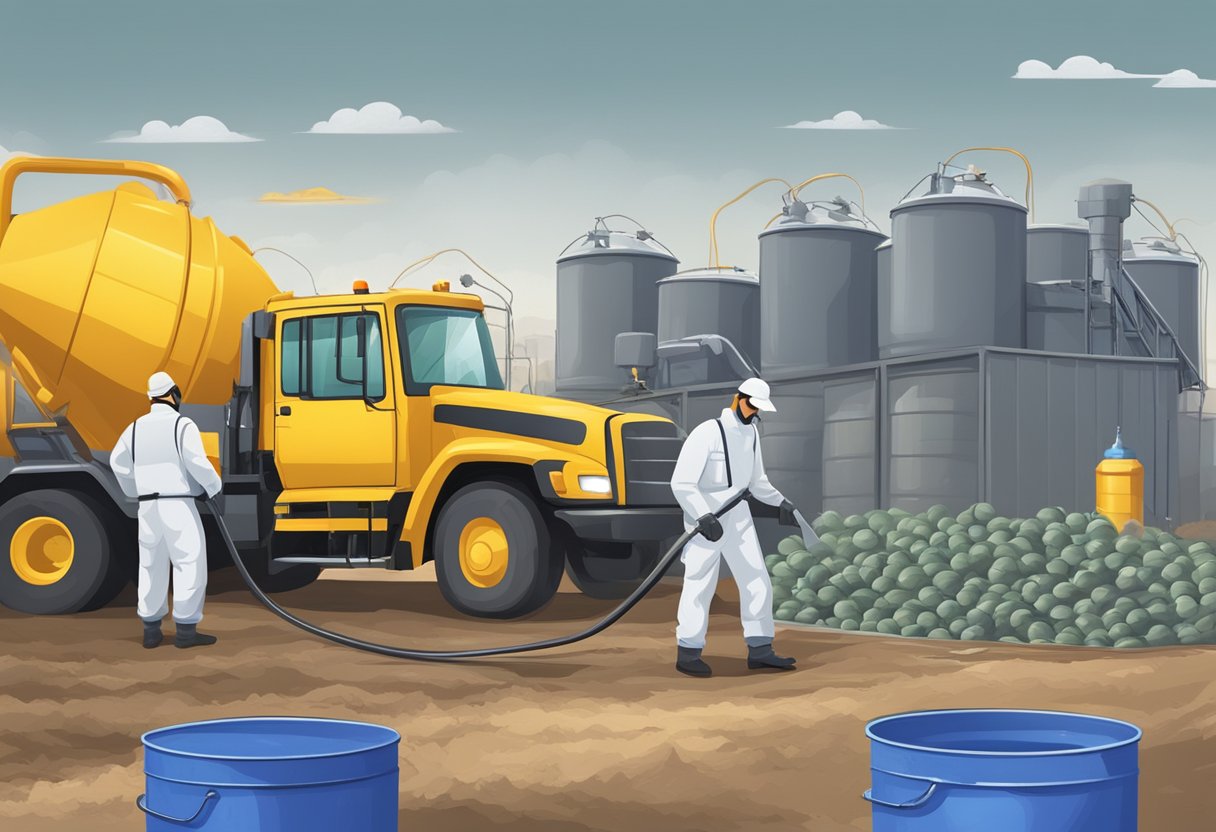
Effective pest management in industrial waste management areas involves both proactive measures and innovative solutions. By integrating monitoring systems with sustainable practices, we can mitigate the impact of pests while promoting environmental responsibility.
Proactive Measures and Monitoring
To address pest issues, we start with regular inspections. Frequent check-ups can identify early signs of infestations. These inspections involve setting up traps and surveillance systems, which provide us with data to track pest populations.
Sanitation is another critical aspect. Keeping the area clean by removing waste and food sources reduces the likelihood of pests. Establishing clear protocols for waste disposal ensures minimum attraction for pests.
Employees play a significant role. Training programs can teach them to recognize and report signs of pest activity. Personal responsibility helps maintain an environment less conducive to pests.
Innovative Solutions and Sustainability Practices
We embrace biological control methods to limit reliance on chemical pesticides. Introducing natural predators like parasitoids targets specific pest species, reducing their numbers effectively.
Eco-friendly pesticides and integrated pest management (IPM) prioritize the environment. These solutions combine mechanical, biological, and chemical strategies tailored to the specific needs of our facility.
Technological advancements have led to automated monitoring and data-driven decision making. Tools like sensors and AI assist in real-time tracking, allowing us to respond swiftly to emerging pest issues.
By adopting sustainable waste management practices, such as composting and recycling, we not only manage waste better but also reduce habitats for pests.
Maintaining a Pest-Free Industrial Environment
Keeping our industrial areas free from pests is crucial for maintaining hygiene, cleanliness, and productivity. Effective pest control is essential in factories, warehouses, and logistics operations to ensure our manufacturing processes and products remain uncompromised.
Hygiene and Sanitation Protocols
Ensuring rigorous hygiene and sanitation protocols is the first line of defense against pests. Regular cleaning schedules must be adhered to, focusing on areas like storage and waste disposal units.
Steps for Effective Hygiene:
- Daily removal of waste and debris.
- Regular sanitization of surfaces and machinery.
- Proper storage of raw materials in sealed containers.
In the food industry, strict adherence to cleanliness standards prevents contamination and infestation. We should also conduct routine inspections to identify and address potential hygiene issues promptly.
Physical Barrier and Exclusion Techniques
Implementing physical barriers and exclusion techniques can effectively prevent pests from entering our industrial areas. This can be achieved by sealing entry points and installing barriers.
Examples of Physical Barriers:
- Door sweeps and weather stripping.
- Sealing cracks and crevices in walls and floors.
- Using mesh screens on vents and windows.
Incorporating these techniques into our logistics and manufacturing strategies minimizes the risk of pest invasion, ensuring a clean and safe environment for our operations. Regular maintenance and inspections are vital to maintain these barriers’ effectiveness over time.
Industry Specific Challenges and Solutions
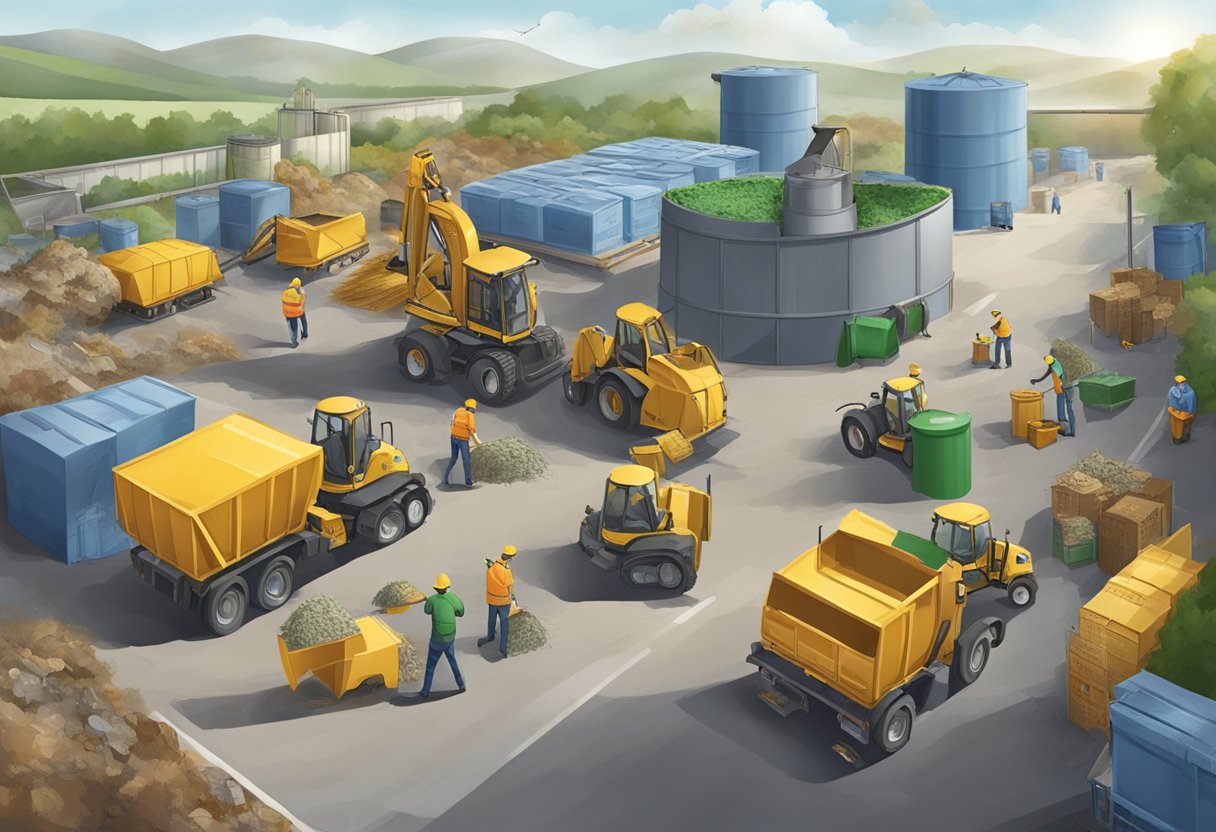
In industrial waste management, controlling pests presents unique challenges due to varied environments and regulations. Solutions must be tailored to specific industries, focusing on quality and peace of mind.
Pest Control in Manufacturing and Warehousing
Manufacturing and warehousing locations face constant pest challenges, such as mice, flies, and other flying insects. These pests can damage electrical wiring and contaminate products. Regular inspections and prompt solutions are essential to maintain quality and operational efficiency. We recommend weekly, bi-monthly, or monthly pest control services to keep the area free from infestations.
The logistics involved in manufacturing and warehousing require customized pest control plans. For example, in Brisbane, companies often need a quick quote and immediate action due to the local climate. Peace of mind comes from knowing regular inspections are in place.
Custom Pest Management for Specialized Industries
Specialized industries like food production or pharmaceuticals have stringent pest control requirements. These industries must adhere to strict regulations to prevent contamination. Our commercial pest control services offer tailored solutions, ensuring compliance and safety.
Each industry presents unique challenges. For example, food production areas might need specific treatments for flying insects, while pharmaceutical warehouses may require more focus on cleanliness and regular inspections. Our approach involves understanding the specific pest problems and offering solutions that align with industry standards.
Corporations benefit from custom plans that provide peace of mind through consistent service and quality management. Whether we deal with frequent pests like mice or specific issues related to the industry location, our solutions are designed to fit industrial properties effectively.