

Cubicle and Workstation Pest Prevention Tips: Effective Strategies for a Clean Office
Keeping our office environment free from pests is critical not only for maintaining productivity but also for safeguarding our health. Whether we’re working in traditional cubicles or modern workstations, pest prevention is essential. Pests in the workplace can lead to significant disruptions, health risks, and a less pleasant work atmosphere.

In large office buildings, the challenge of preventing pests becomes more complex. With numerous employees and shared spaces, it’s easy for pests to infiltrate if we’re not vigilant. Simple actions such as maintaining clean workstations, properly disposing of food waste, and using sealed containers can make a significant impact.
Workplace pests can spread diseases and trigger allergies, affecting our team’s overall well-being. We all share the responsibility of implementing and maintaining effective pest control measures. By adopting these pest prevention tips, we can ensure a cleaner, healthier, and more productive work environment.
Understanding Workplace Pests
In office environments, pests such as ants, rodents, and cockroaches can be particularly problematic. Various factors like food crumbs, clutter, and structural gaps provide ideal conditions for these pests to thrive.
Common Pests in Office Settings
Ants: Ants can easily find their way into office spaces in search of food. We often see them near break rooms or where food is stored.
Rodents: Rodents like mice and rats are not just a nuisance; they can also damage office equipment and cables. Their presence often indicates larger hygiene issues.
Cockroaches: Cockroaches are highly resilient and can thrive in various conditions. They are typically found in dark, damp areas like storerooms or under sinks.
Spiders: While not usually harmful, spiders can cause discomfort among employees. They tend to inhabit seldom-used corners and gaps.
Termites: Though less common, termites can be particularly destructive, especially to wooden furniture and structures within the office.
Bed Bugs: Bed bugs can hitch a ride on employees’ belongings and infest seating areas. Their bites are irritating and can cause significant concern.
Fleas: Fleas are typically brought in by pets or on employees’ clothing. They can rapidly become a problem if not addressed promptly.
Factors Contributing to Pest Problems
Food Crumbs and Spillage: Food remnants in break rooms, desks, or kitchen areas attract pests like ants and rodents. Regular cleaning can prevent this issue.
Clutter and Storage: Cluttered areas provide hiding spots and nesting grounds, particularly for rodents and cockroaches. Organized storage reduces these risks.
Structural Gaps and Cracks: Small openings in walls, floors, and around windows allow pests like spiders and rodents to enter. Sealing these gaps can be an effective deterrent.
Moisture and Humidity: Damp areas, especially near sinks or leaking pipes, attract pests like cockroaches and termites. Addressing leaks and using dehumidifiers can mitigate this.
Employee Habits: Personal items such as bags and clothing can introduce pests like bed bugs and fleas into the office. Educating employees on best practices can reduce these incidents.
Unused Spaces: Lesser-used areas such as storage rooms and basements are ideal habitats for pests. Regular inspections and cleanups can help keep these areas pest-free.
Preventive Measures and Sanitation
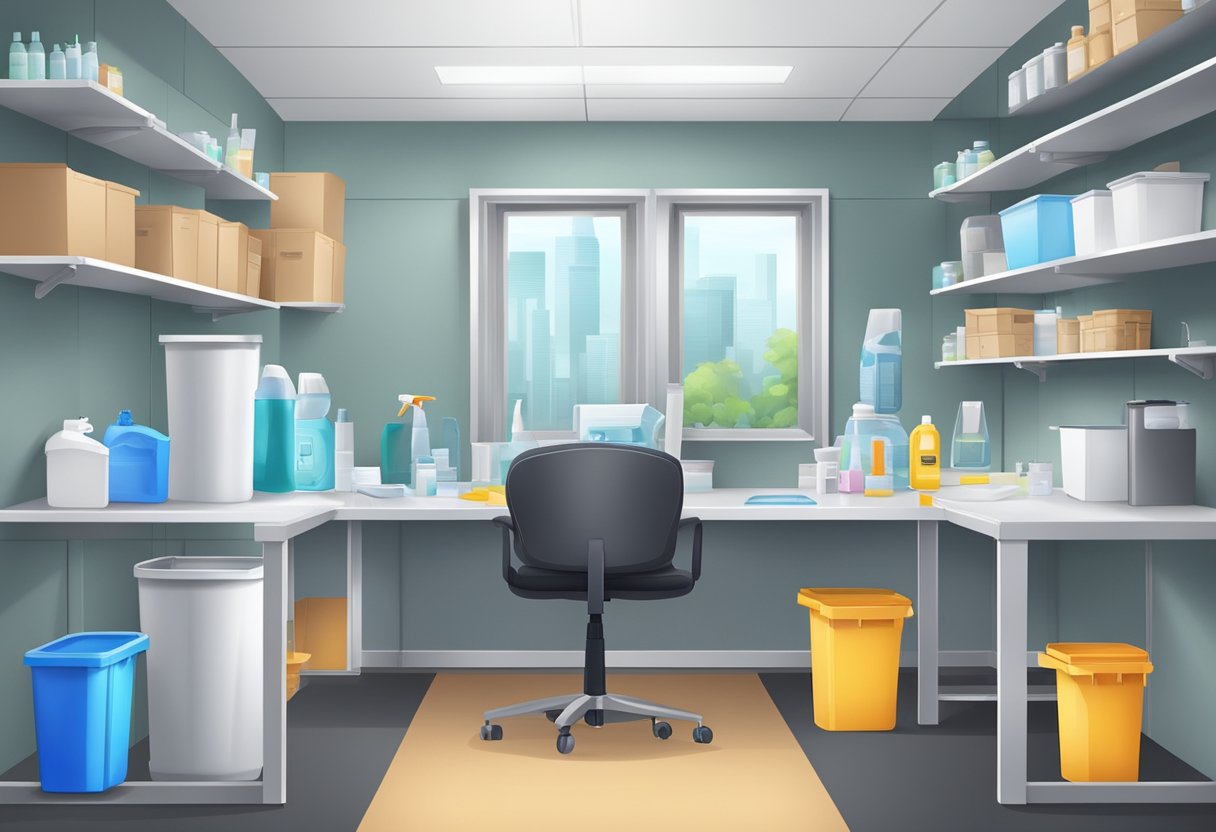
Keeping our cubicles and workstations clean and free of pests is crucial for maintaining a healthy workspace. We can achieve this by managing waste effectively, maintaining regular cleaning routines, and storing food properly.
Effective Waste Management
Proper disposal of waste is essential in keeping pests at bay. We should always use sealed trash cans to prevent odors from attracting pests. Emptying these cans daily reduces the likelihood of infestation.
Recycle bins must be monitored too, especially if food containers are disposed of there. Ensuring that garbage is cleared out regularly helps in maintaining a pest-free environment. Placing trash cans away from workstations and cleaning up any spills immediately is a necessary practice.
Regular Cleaning Regimens
Consistent cleaning is vital for a sanitized workspace. We need to wipe down desks and surfaces with disinfectant wipes at least once a day. Special attention should be paid to areas where food is consumed.
Using vacuum cleaners to remove food crumbs from carpets and floors is an effective strategy. Scheduling deep cleaning every week for common areas, including kitchenettes, reduces the bacteria and pests significantly. This also includes sanitizing handles, switches, and other frequently touched items.
Proper Food Storage Techniques
Storing food correctly can significantly deter pests from invading our workspaces. Always use sealed containers for any food items brought to the office. Racks can be utilized to keep these containers off desks.
Perishable items should be stored in designated areas such as office refrigerators, not in cubicles. It’s also important to label and date items stored in the fridge to ensure they are not kept longer than necessary. Cleaning up spills immediately and keeping storage areas tidy plays a key role in preventing pest attraction.
Structural Defense Against Pests
To bolster our workspaces against pests, we need to pay close attention to sealing gaps and repairing structural damages. These steps help eliminate potential entry points and hiding spots, significantly reducing pest invasions.
Sealing Entry Points
We must identify and seal all gaps, cracks, and crevices around windows, doors, and walls. Door sweeps and weather stripping are essential for sealing door gaps.
Applying caulk around window frames and baseboards helps keep pests out. Pay special attention to pipes and vents, ensuring they are sealed properly. Proper food storage habits complement these efforts by depriving pests of food sources.
Fixing Structural Damage
It’s critical to regularly inspect our workspace for structural damage. Cracked walls, floors, or ceilings can provide shelter and entry pathways for pests.
Fix leaks promptly, as moisture attracts pests. Replace or repair damaged tiles, and use cement or plaster to seal any crevices. Regular maintenance prevents these weak points from becoming infestation sites.
Integrated Pest Management (IPM) Strategies

Integrated Pest Management (IPM) involves using multiple strategies to control pests effectively. Key strategies include physical/mechanical controls and biological/chemical solutions.
Physical and Mechanical Controls
Physical and mechanical controls form the backbone of IPM. These methods aim to prevent pests from entering or thriving in the workspace. Screens and barriers can block entry points around windows and doors. Sticky traps can capture crawling insects, while UV light traps are effective for flying insects.
Regular monitoring and inspection help us identify pest activity early. We must also maintain clean workstations and proper waste management to deter pests. These controls minimize the need for chemical interventions and promote a healthier environment.
Biological and Chemical Solutions
Biological and chemical solutions serve as important components in IPM when physical controls alone are insufficient. Biological methods include introducing natural predators or biocontrol agents to target specific pests. For instance, parasitoid wasps can control aphid populations.
Chemical solutions, such as pesticides and sprays, should be used judiciously. Selecting low-toxicity options ensures safety while effectively managing pests. Spot treatments and targeted applications reduce chemical use and potential resistance. Always follow label instructions and wear appropriate safety gear during application. These combined strategies help us manage pests sustainably and responsibly.
Professional Pest Control and Employee Education
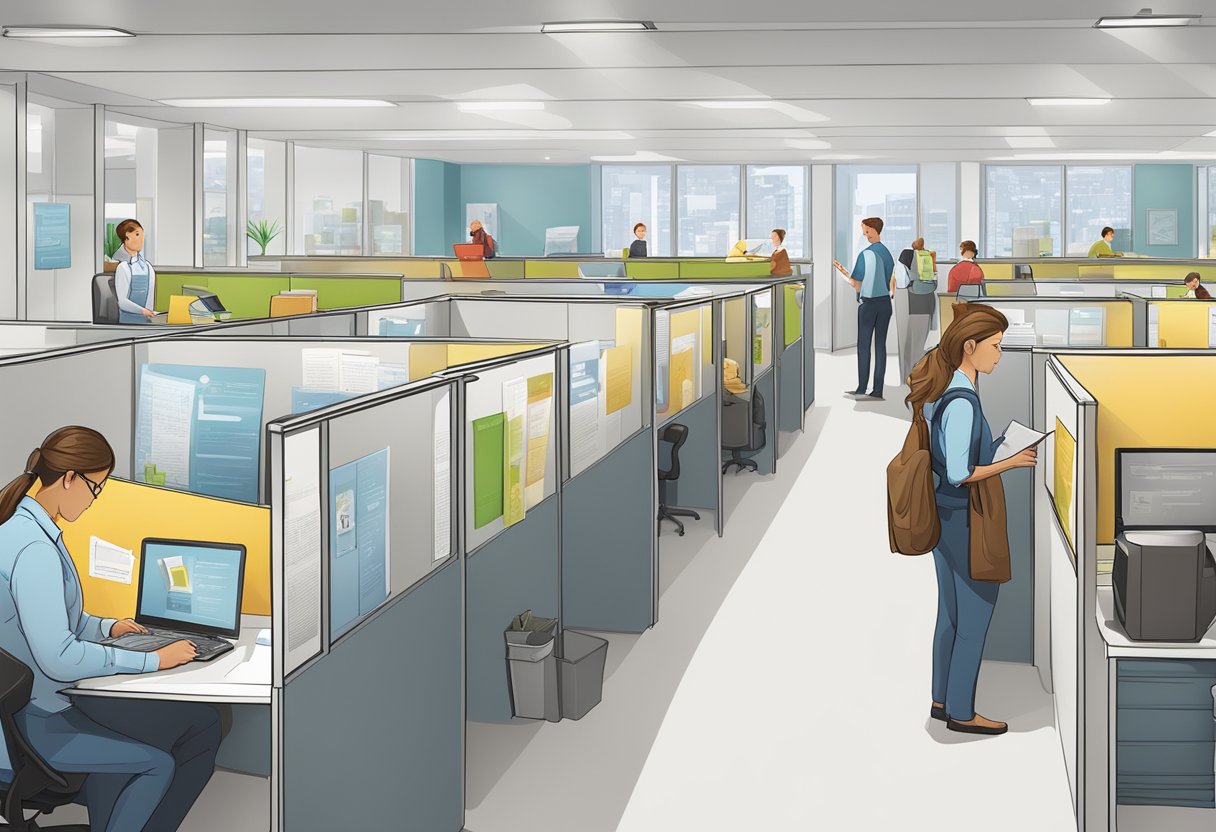
Effectively managing pests in the workplace involves knowing when to bring in professionals and educating employees on pest prevention strategies.
When to Seek Professional Help
Recognizing the signs of an infestation early can save time and money. We should immediately contact professional pest control services if we notice droppings, nests, or damaged materials. Regular pest inspections are crucial.
Commercial pest control is equipped to handle a variety of pests and ensure comprehensive treatment. They use advanced techniques such as baiting and fumigation. In severe cases, professional pest control offers a more permanent solution, reducing the chances of recurrence.
Having a contract with professional pest control services can provide routine checks and emergency treatments. This ensures a constant state of vigilance against potential infestations. Regular communication with our chosen pest control provider helps us stay informed about new threats and effective treatment options.
Educational Programs for Staff
Educating employees about pest prevention is vital. We can organize workshops and training sessions that teach staff to recognize early signs of pests. Providing clear guidelines on maintaining cleanliness helps prevent infestations before they start.
It’s essential to distribute informative materials, such as brochures and posters, around the workplace. These can highlight important practices like proper waste disposal and food storage. Regular reminders and updates keep pest prevention techniques fresh in employees’ minds.
Involving employees in pest prevention fosters a sense of responsibility. By encouraging vigilance, we create a proactive culture. If everyone knows their role in maintaining a pest-free environment, the chances of an infestation decrease significantly.