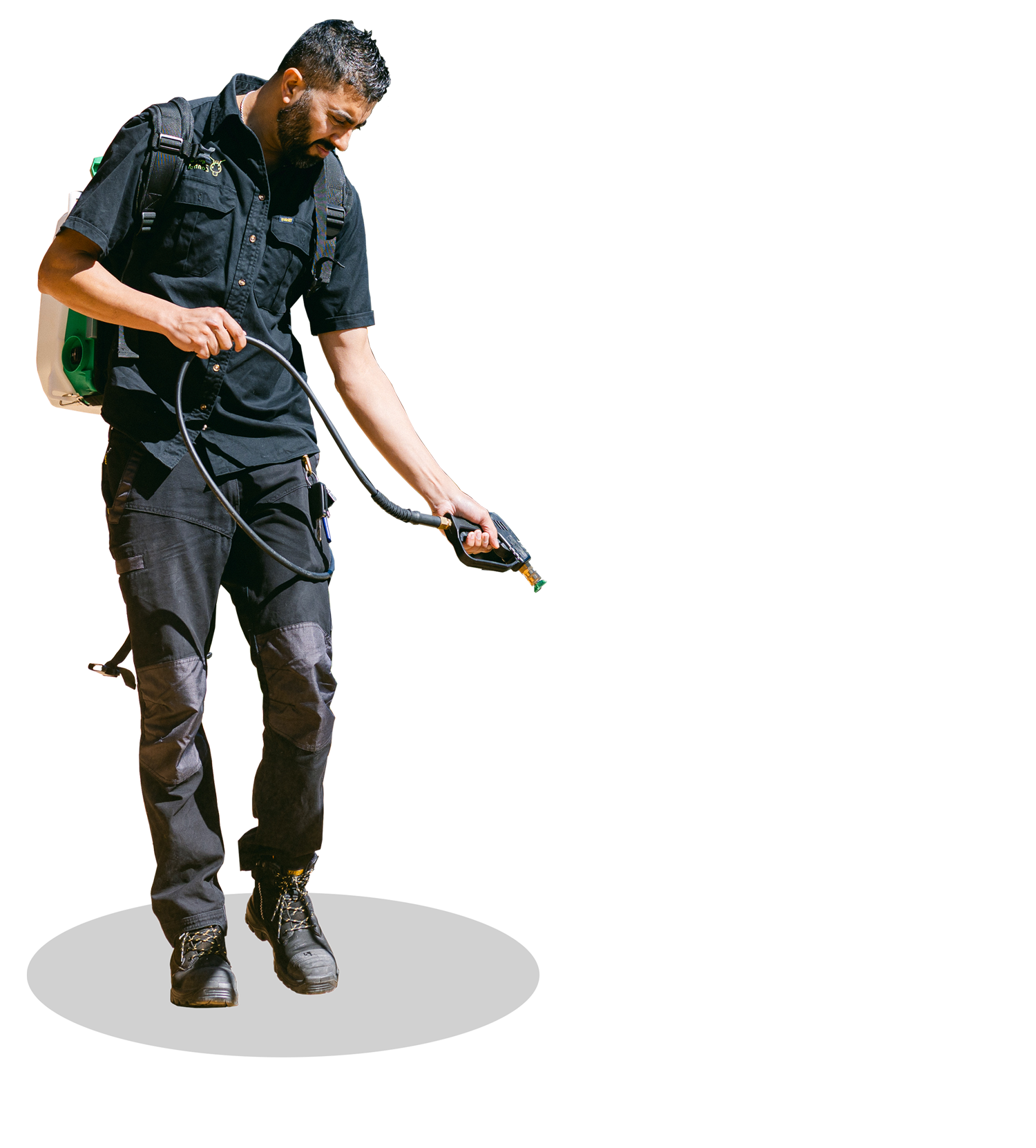

Discreet Pest Control for Corporate Offices in Sydney
Corporate offices need pest control that works without becoming part of the workplace conversation. A technician walking through a reception area, visible traps beside meeting rooms or an unnecessary treatment during peak hours can create avoidable disruption. The strongest approach combines prevention, monitoring and targeted control with careful scheduling and low-visibility servicing. For broader business pest-management support, visit our Commercial pest control sydney home page.

Brands and organisations that trust our team
Our commercial pest-management work spans offices, property groups, education, hospitality and complex facilities across Sydney.


Customer Reviews in Sydney
See what Sydney businesses and customers say about their experience with our commercial pest-control services.


A corporate office is different from an empty warehouse or a closed production site. Reception areas, boardrooms, executive floors and shared workspaces can remain occupied for most of the day, while clients, tenants, contractors and staff move through the building continuously.
That means the pest-management plan should consider not only how to control the pest, but also how the work will be seen, heard and experienced. Service routes, technician access, monitoring-device placement, treatment timing and follow-up communication can all affect how discreet the service feels.
Discretion does not mean hiding an unresolved infestation. It means planning the service properly so pest evidence is investigated early, effective control is applied in appropriate locations and unnecessary disruption is avoided.
A structured office building pest inspection checklist is a strong starting point because it helps identify pest pressure before sightings become common in occupied areas.
Eight ways to make office pest control low visibility
The best method depends on the pest and the site. The goal is to combine low-disruption servicing with evidence-based pest control rather than simply choosing whatever treatment is least noticeable.
Service outside peak hours
Where practical, complete inspections, device servicing and higher-impact treatments before staff arrive, after normal office hours or during quieter occupancy periods. This reduces interruptions and gives technicians better access to kitchens, workstations and service areas.
Use concealed monitoring points
Place monitors where they can detect pest activity without becoming a visual feature of the office. Appropriate locations may include service cupboards, plant rooms, kitchens, ceiling spaces, behind equipment and along pest travel routes.
Inspect before treating
Accurate pest identification and inspection reduce unnecessary treatment. A focused response can be directed to the true source instead of applying broad controls across highly visible office areas.
Prioritise proofing and repairs
Door seals, cable penetrations, pipe gaps and damaged finishes can allow pests to move into offices. Closing these pathways is discreet because it reduces pest pressure without adding visible pest-control equipment to occupied areas.
Use targeted treatment zones
When treatment is required, focus it on confirmed harbourage, movement routes and high-risk zones. Product choice and placement should follow the current label and site risk assessment.
Remove the conditions pests need
Food in desk drawers, crumbs, leaking sinks, cardboard, poorly managed waste and clutter can sustain pests. Correcting these conditions reduces the need for repeated visible treatments.
Use one facility contact
A nominated facility or office manager can coordinate access, receive reports and arrange corrective actions. This keeps communication controlled and avoids unnecessary discussion of pest activity across the workplace.
Follow up with monitoring data
Check whether activity has reduced after treatment, repairs or sanitation changes. Monitoring allows the program to adjust quietly before pests reappear in client-facing or staff areas.
Follow the food, water and access
Pest activity is usually concentrated around predictable resources and movement routes. A discreet service concentrates effort where pests are most likely to be found rather than making treatment visible across the whole office.
Different pests need different discreet strategies
A low-visibility program still has to match the pest biology. Rodents, cockroaches and ants cannot all be managed with the same approach.
Rats & mice
Rodents may use ceiling voids, service risers, plant rooms, loading areas and kitchens. Discreet control can combine concealed monitoring, secure devices, targeted trapping and proofing. See our commercial rat control Sydney guide.
Cockroaches
Cockroach activity is often concentrated around food, warmth and moisture. Inspection, sanitation, monitoring and targeted treatments around harbourage can reduce the need for broad visible applications.
Ants
Ant trails can quickly become visible around kitchens, meeting rooms and workstations. Source identification, food removal and targeted baiting or treatment can be less disruptive than repeated surface spraying.
Flies
Waste handling, food preparation, drains and external doors can drive fly pressure. Sanitation, exclusion and source control are essential before relying on treatment inside occupied office areas.
Stored-food pests
Pantry moths and beetles can develop in staff food, tea-room ingredients or forgotten dry goods. Removing affected products and improving storage usually matters more than broad treatment.
Spiders & incidental pests
Spiders and other occasional invaders may be associated with exterior lighting, landscaping, entry gaps or insects around the perimeter. Exterior prevention can reduce interior sightings.
Corporate office pest problems often start with ordinary behaviour rather than a major building defect. Food stored in desk drawers, takeaway containers left overnight, milk residue around coffee stations and bins that are not emptied can create small but reliable food sources.
The key is to make prevention simple. Staff do not need to become pest technicians. They need clear expectations around food storage, spill clean-up, waste disposal and reporting unusual pest activity.
Our cubicle and workstation pest prevention tips cover desk-level prevention in more detail, while the office kitchen and break room pest management guide focuses on shared food areas, sinks, fridges and bins.
These small operational controls are important because they reduce the need for reactive pest treatment in the most visible parts of the office.
Keep devices out of sight without putting them in the wrong place
Discretion should never override effectiveness. Rodent monitoring and control devices need to be positioned where rodent behaviour and risk justify them, then selected and installed in a way that suits the surrounding office environment.
Low-visibility approach
Inspect ceilings, plant rooms, storage areas and service corridors before placing devices in public zones.
Use secure, appropriate devices in protected locations where staff or visitors are unlikely to interfere with them.
Coordinate access to executive areas, meeting rooms and tenant spaces through facility management.
Use proofing to close repeat entry points so control does not depend only on devices.
Evidence-led follow-up
Record droppings, gnawing, rub marks, sightings and device activity by location.
Review whether activity is moving between ceilings, risers, kitchens, loading docks or neighbouring tenancies.
Escalate trapping, proofing or investigation when monitoring shows persistent activity.
Remove or reduce temporary control measures when the evidence supports it.
A discreet service works best as a managed program
NSW EPA describes Integrated Pest Management as a prevention-focused approach built around monitoring, identification, prevention and appropriate control. That logic suits offices because it reduces unnecessary pesticide use while targeting the conditions that allow pests to persist.

Assess the office
Review pest history, building layout, food areas, loading access, waste, service risers, plant rooms and tenant requirements. Identify where a normal treatment could create avoidable disruption.
Set monitoring points
Install or establish monitoring in appropriate low-visibility risk areas so activity can be detected before pests are repeatedly seen by staff or visitors.
Correct conditions
Address food sources, leaks, waste, clutter, door seals and penetrations. Assign building and cleaning actions to the relevant person rather than treating every issue as a technician task.
Apply targeted control
When monitoring and inspection justify treatment, use methods appropriate to the pest, current product label, occupancy and site risk. Schedule higher-impact work around business operations where required.
Verify and report
Review monitoring trends, confirm whether corrective actions were completed and document the outcome. Persistent activity should trigger further investigation rather than routine repetition of the same treatment.
Good corporate pest control is operationally organised. Facility management should know which areas need access, whether cleaners or security are involved, what staff preparation is required and whether any treatment has re-entry or ventilation instructions.
A nominated building contact can coordinate these details without circulating unnecessary information. This is particularly useful in multi-tenant buildings where a pest issue may involve shared ceilings, service risers, loading facilities or waste rooms while only one tenancy has reported activity.
Where possible, technicians can service public-facing areas at quieter times and use back-of-house access routes. However, timing should remain secondary to the actual pest-management requirements and any product-label conditions.
For a broader framework covering inspections, monitoring, treatment, reporting and corrective actions, see what should be included in a commercial pest management program.
Discreet does not mean undocumented
A professional office program should still produce clear records. In NSW, people using pesticides occupationally generally have record-keeping obligations, and prescribed pest-management pesticide work must be performed by appropriately licensed operators.
Service report
Record the areas inspected, pest evidence found, monitoring activity, treatments completed and recommendations made during the visit.
Monitoring map
Keep an accurate record of monitoring and control locations so devices can be serviced consistently without unnecessary searching through occupied spaces.
Corrective actions
Separate pest-control actions from building, cleaning or staff actions such as sealing door gaps, repairing leaks or improving food storage.
Pesticide records
Where pesticides are used, maintain the required occupational pesticide-use records and follow the current approved product label or applicable permit.
Trend review
Compare sightings and monitoring results over time so the program can identify recurring office hotspots and verify whether pest pressure is reducing.
Controlled communication
Provide reports to the nominated facility contact so the right people can act on pest findings without creating unnecessary workplace concern.
Regulatory and best-practice references
NSW guidance on monitoring, identification, prevention and selecting appropriate pest-control methods for buildings including offices.
Guidance on pest-management technician licensing and responsible use of registered pesticides.
NSW requirements for occupational pesticide-use records, including timing and retention obligations.
Current principles for registered pesticide use, licence requirements and protecting people and the environment.
Questions office and facility managers often ask
What is discreet pest control for a corporate office?
It is pest management planned to minimise visibility and disruption while still controlling the pest effectively. It combines inspection, monitoring, prevention, targeted treatment and careful service scheduling around the way the office operates.
Can office pest control be completed after hours?
Many inspection, monitoring and treatment tasks can be scheduled before opening, after hours or during lower-occupancy periods. The correct timing depends on the pest, treatment method, access requirements and any product-label instructions.
What pests commonly affect Sydney corporate offices?
Rats and mice, cockroaches, ants, flies, spiders and stored-food pests can all affect offices. Kitchens, workstations, ceilings, plant rooms, loading docks and waste areas are important inspection zones.
How can rodent control be kept discreet?
Start with concealed risk areas such as ceilings, plant rooms, storage and loading zones. Use secure monitoring and control devices in appropriate protected locations, combine them with proofing and review the results through follow-up inspection.
How often should a corporate office have pest inspections?
There is no single frequency for every office. The schedule should reflect pest history, building size, food and waste activity, neighbouring tenancies, monitoring results and the risk level of different areas.
What should be included in a corporate office pest management program?
A strong program includes a site risk assessment, inspection schedule, monitoring, pest identification, sanitation and maintenance recommendations, exclusion, targeted treatment, service records, corrective actions and trend review.
Need discreet pest control for your corporate office?
Request a commercial assessment for your Sydney office, head office, business park or multi-tenant corporate building. We can review pest activity, kitchens, workstations, ceilings, plant rooms, loading areas and waste zones, then build a practical low-disruption pest-management plan.